

The two-day professional workshop “Animal Welfare, Environment and Zoonoses: Where One Health Pathways Intersect” was held on 26–27 January 2026 at Hotel Terme Tuhelj, Croatia. The workshop was jointly organised by the Regional Animal Welfare Centre (RAWC) and the Faculty of Veterinary Medicine, University of Zagreb, with the great support of RSPCA Europe.
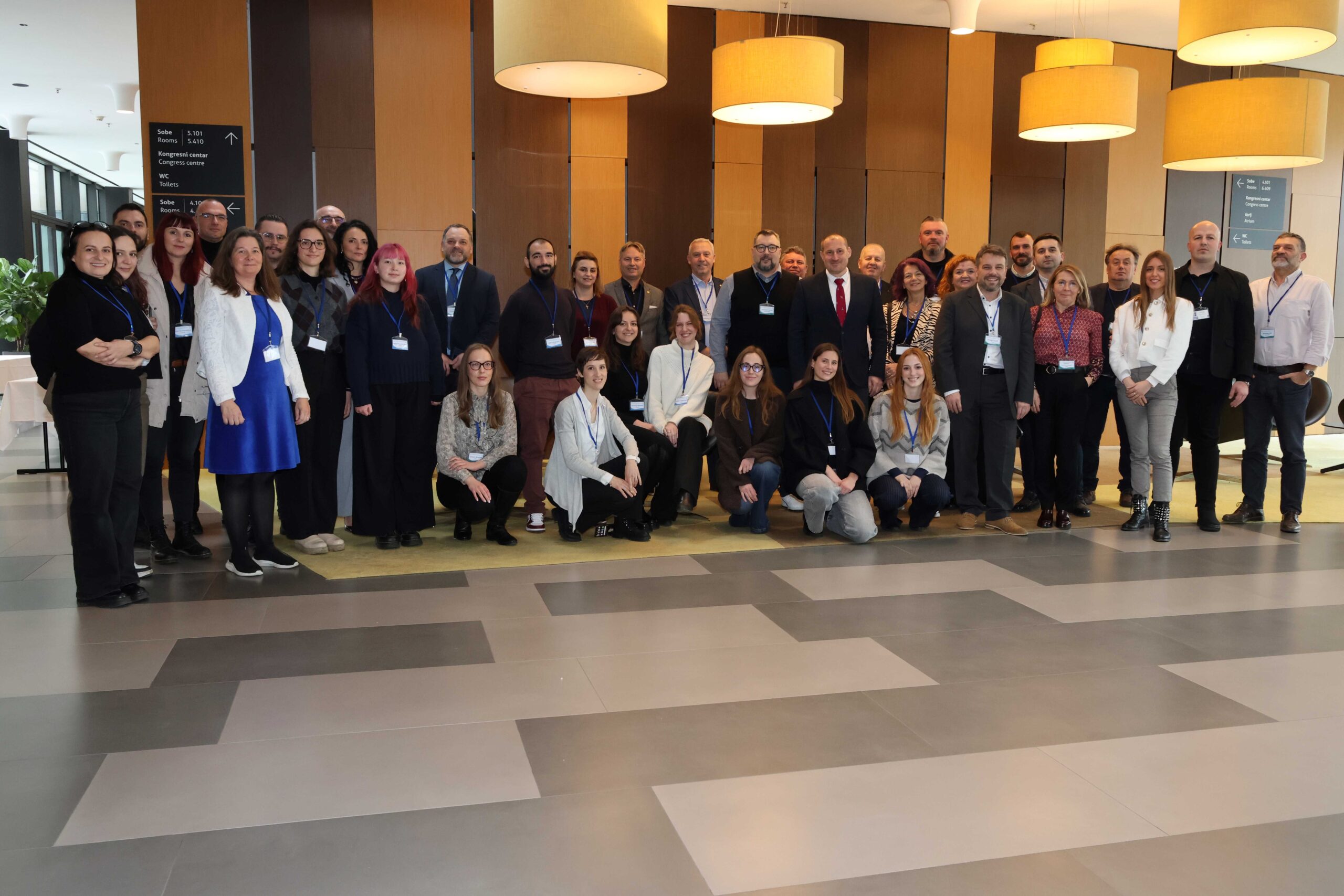
This workshop marked the first RAWC event to bring together representatives from seven countries, with the aim of strengthening regional cooperation in animal welfare through the application of the One Health approach.
The main objective of the workshop was to provide a platform for intersectoral dialogue among professionals from veterinary and human medicine, public health, environmental protection, agriculture and wildlife management. The workshop aimed to:
- identify challenges and gaps in intersectoral collaboration
- exchange experiences and good practices
- explore opportunities for improving cooperation within the One Health framework
- generate conclusions and recommendations applicable at national and regional levels
A particular emphasis was placed on animal welfare as a fundamental component of veterinary public health, recognising the intrinsic links between animal health, human health and environmental sustainability.
The workshop gathered experts and scientists from veterinary and human medicine, as well as representatives of international and European organisations and competent authorities, including WOAH, FVE and EUPHA, alongside Veterinary Faculties from seven countries in the region and other national institutions (scientific institutes, public health institutes, veterinary chambers,..).
Key speakers and panellists included:
Tomasz Grudnik, Mette Uldahl, Giuseppe La Torre, Romano Zilli, Iskra Cvetković, Dragan Brnić, Ljubo Barbić, Pavle Jeličić, Hrvoje Capak, Tomislav Mikuš, among other distinguished contributors from the region.

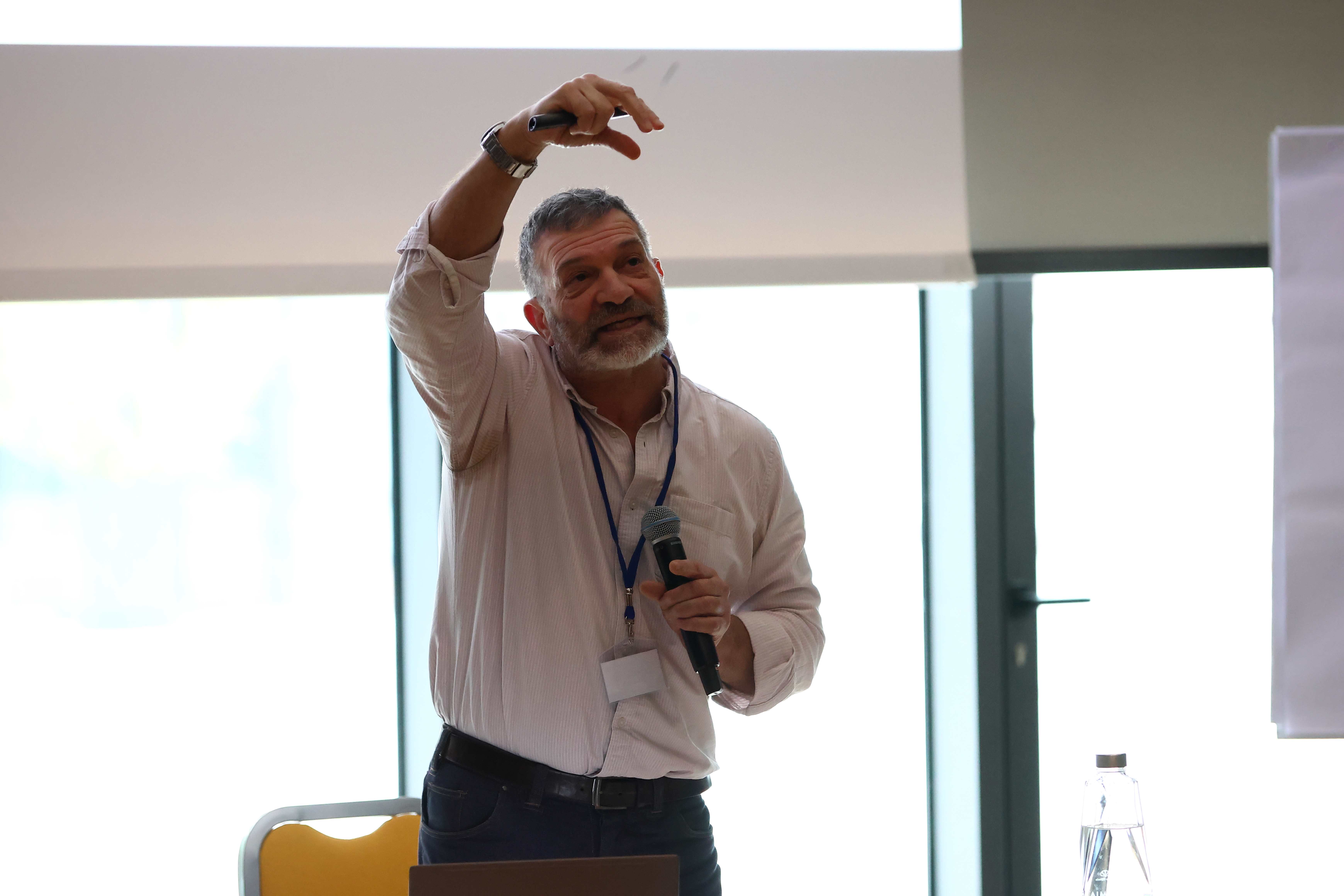
The panel discussion on the first day, focusing on competencies and skills required for the implementation of One Health principles, was expertly moderated by Vlatko Ilieski.
The workshop focused on the synergy between animal welfare, environmental factors and zoonotic diseases within the One Health concept. Through domain-specific examples related to:
- animal welfare
- zoonotic disease control
- antimicrobial resistance
- environmental health
- public health
One Health was presented not only as a disease-control approach, but as an integrated management framework addressing complex welfare and health threats at the human–animal–environment interface.
In light of the amendments to Directive 2005/36/EC, which for the first time include explicit requirements for knowledge and understanding of the One Health concept within minimum veterinary training standards (Article 38, paragraph 3), a significant part of the discussion addressed the development of Day One Competences from a One Health perspective.
Key messages included:
- grouping competences based on common types of knowledge regardless of disciplinary origin;
- clearly defining core One Health competences as a foundation for relevant training programmes;
- translating competences and skills into legal, regulatory and operational frameworks to enable effective intersectoral collaboration in practice;
- strengthening the role of the veterinary profession as an integral contributor to broader health and environmental decision-making processes.
The second day of the workshop placed a strong emphasis on industry perspectives and practical implementation of One Health principles. Industry representatives actively participated in the programme, providing insights into real-life challenges and opportunities related to animal welfare, environmental sustainability and zoonotic risk management.


Participants worked in multidisciplinary working groups, where they analysed and discussed case study topics directly linked to the workshop theme. This interactive approach fostered practical problem-solving, encouraged cross-sectoral understanding and highlighted the value of collaborative decision-making within the One Health framework.
Key conclusions of the workshop:
The One Health paradigm calls for coordinated and equitable governance to sustainably prevent, detect and respond to threats at the human–animal–environment interface;
One Health is recognised as a unifying and transdisciplinary framework based on shared responsibility, communication, collaboration and capacity building;
Integrating One Health competences into national planning, disease response and environmental management can reduce conflicts, improve communication and build trust across sectors; and that
Prevention should remain at the core of both veterinary and human medicine.
The organisers extend their sincere appreciation to all speakers, panellists and participants for their valuable contributions, constructive discussions and active engagement throughout the workshop. Special recognition is given to the students of the Faculty of Veterinary Medicine, University of Zagreb, whose enthusiastic participation, professionalism and commitment significantly enriched the discussions and clearly demonstrated the importance of investing in future generations for the successful implementation of the One Health approach.